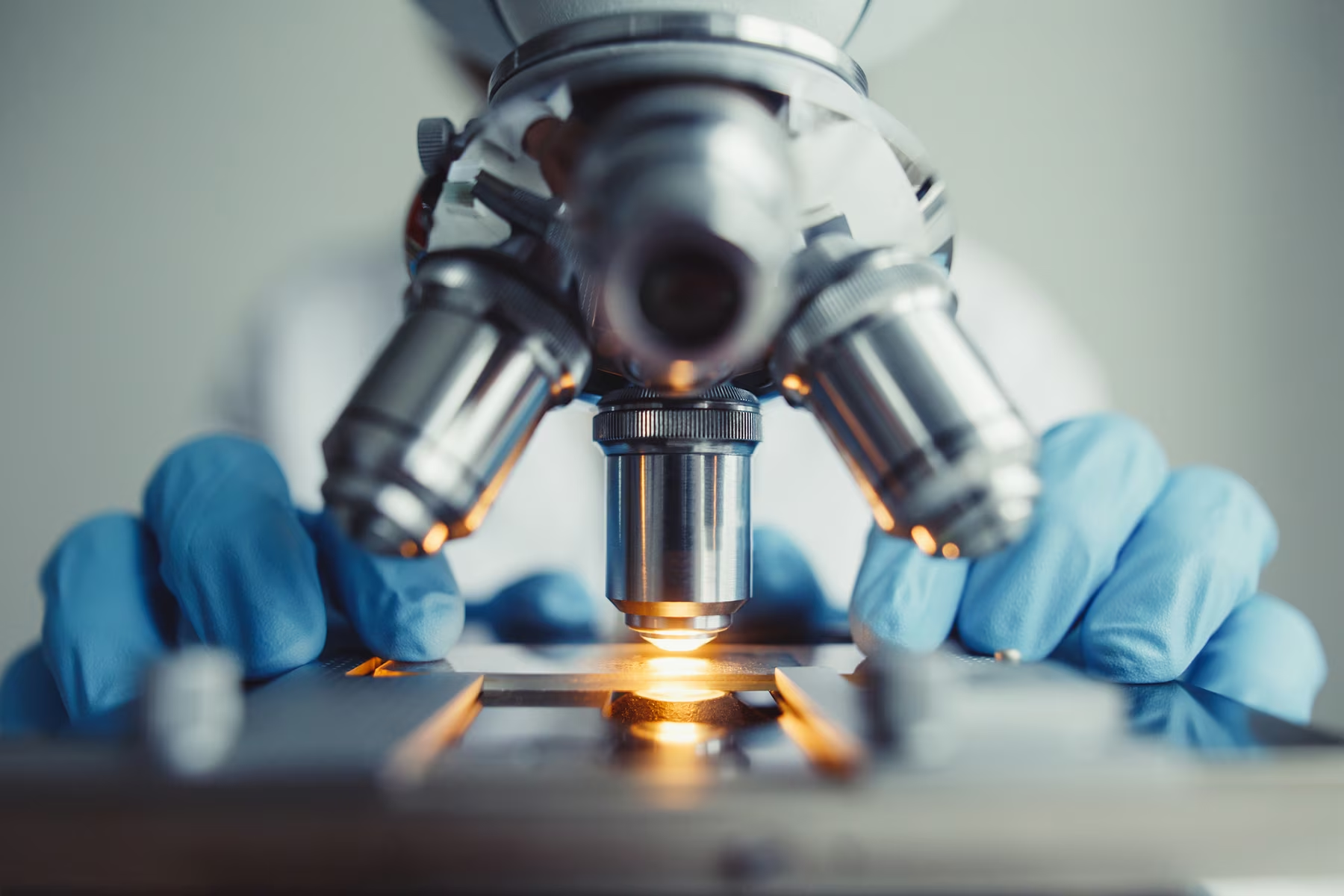
Etching for Microscopic Research — Analysis of Microstructures

What is etching and why is it essential for microscopic research?
Etching is a preparatory step in the microscopic examination of materials, where the surface of a polished sample is selectively affected with a chemical or electrochemical solution.
At Deon Research Centre, etching is an essential part of materials research to make the microstructure of metals, alloys, plastics or coatings visible under the microscope.
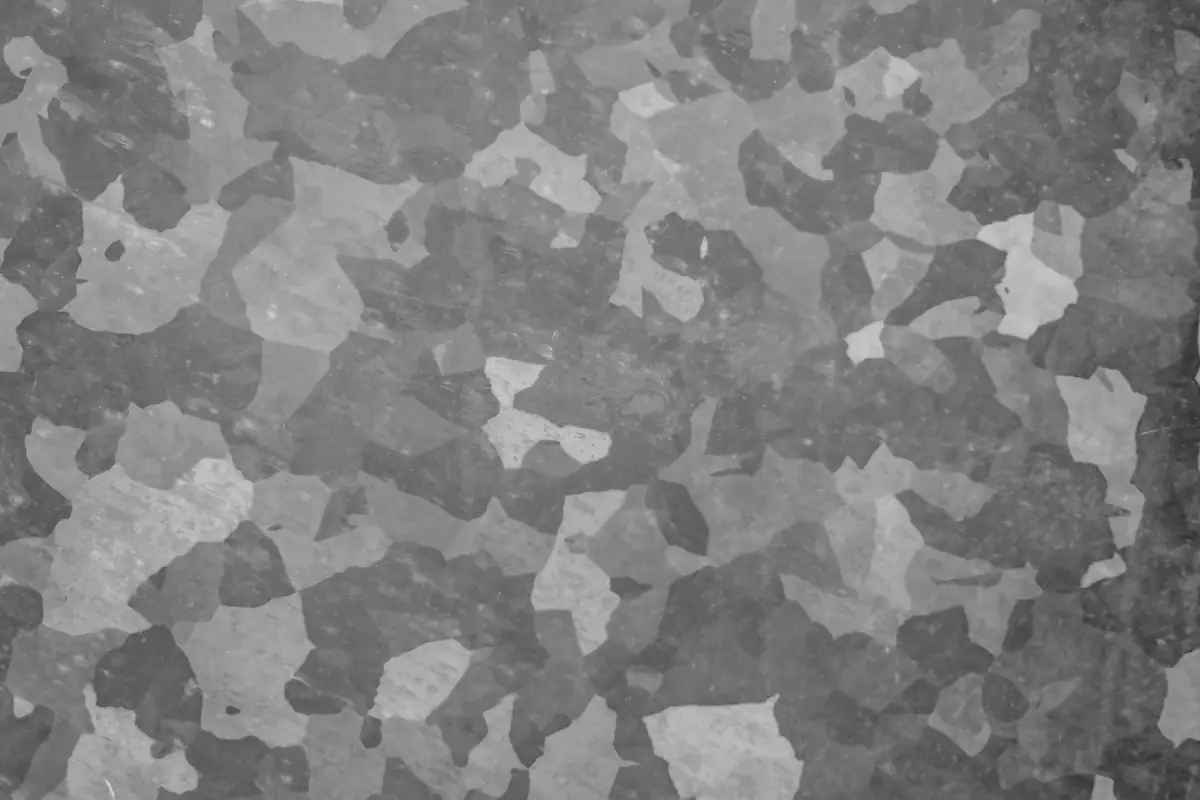
By means of etching, grain structures, phase distributions, welding zones and defects are clearly visible. This provides valuable information about the quality, homogeneity and behavior of materials during production and use.
Why choose etching at Deon Research Centre?
Our etching techniques are carefully tailored to the material type and research purpose.
Opting for etching at Deon Research Centre means benefiting from:
- High accuracy: optimal sample preparation for light and electron microscopy.
- Material-based research: etching agents and procedures adapted to specific alloys or plastics.
- Reliable microstructure analysis: visible grain boundaries, phases, inclusions and precipitation.
- Complete research service: etching as part of damage analysis, quality control or metallographic assessment.
How does etching work for microscopic research?
Etching is a careful process that consists of several steps:
- Sample preparation:
The material is cut, embedded, ground and polished to a mirror-smooth surface. - Etching procedure:
The polished surface is treated with an appropriate etching solution or electrolyte. It reacts with specific components of the material, making the microstructure visible. - Microscopic analysis:
After etching, the surface is examined by optical microscopy or scanning electron microscopy (VOICE).
Depending on the material, we use different etching procedures, such as:
- Chemical etching: with solutions based on acids, bases or salts.
- Electrolytic etching: with controlled electrical tension for uniform surface treatment.
Key structures that become visible include:
- Grain structure and size
- Phase boundaries and excretions
- Hardening zones or welding structures
- Corrosion phenomena and micro-faults
Applications of etching in industry
Bee Deon Research Centre we apply etching techniques in various sectors, including:
- Aeronautics and space: analysis of alloys and welded joints under high load.
- Automotive: research of heat-treated steels and coatings.
- Construction and infrastructure: evaluation of metals and concrete reinforcement at the microstructure level.
- Mechanical engineering: quality control of gears, bearings and shafts.
- Renewable energy: analysis of microstructures in turbine components and composites for wind and solar energy.
What does this mean for your company?
By investing in etching for microscopic research, you can:
- Gain insight into material properties and production quality.
- Early detection of errors or impurities in production processes.
- Provide substantiation for damage analysis and failure research.
- Optimizing processes through a better understanding of metallurgical and structural properties

We offer professional etching at Deon Research Centre!
Do you want to gain insight into the microstructure of your materials? At Deon Research Centre, we combine expert etching and microscopy techniques for a complete picture of material quality, structure and performance. Contact us for more information and find out how we support your business with advanced metallographic research.
Direct contact +31 (0) 6 51 06 02 62