Fatigue Tests — Sustainability and Quality Assurance

What are fatigue tests and why are they important?
Fatigue tests investigate how materials behave under repetitive or varying loads. At Deon Research Centre, these tests are crucial to predict the lifespan, safety and performance of parts and structures. They are widely used in sectors such as aerospace, automotive, mechanical engineering, railways and medical implants. An accurate fatigue analysis helps prevent cracking and unexpected failure during use.
Why choose fatigue tests at Deon Research Centre?
Do you want to make sure that your products can withstand dynamic stress for a long time? Our specialized fatigue testing services offer:
- Accurate lifetime analysis: insight into the number of cycles a material or component can handle before damage occurs.
- Quality assurance: ensure that your products comply with international standards and safety requirements.
- Product development support: optimize designs and material selection based on test results.
How do fatigue tests work?
The process involves carefully preparing samples or components and loading them with cyclic forces:
- Axial tensile fatigue: tests how materials respond to alternating tensile and compressive forces.
- Bending fatigue: analyses resistance to repeated bending stresses.
- Torsion and rotational fatigue: evaluates behavior under varying or rotating torsional loads.
During these trials, we collect data about:
- Fatigue limit: the maximum stress at which a material can withstand an unlimited number of cycles.
- Number of cycles until breakage: prediction of the product's lifetime.
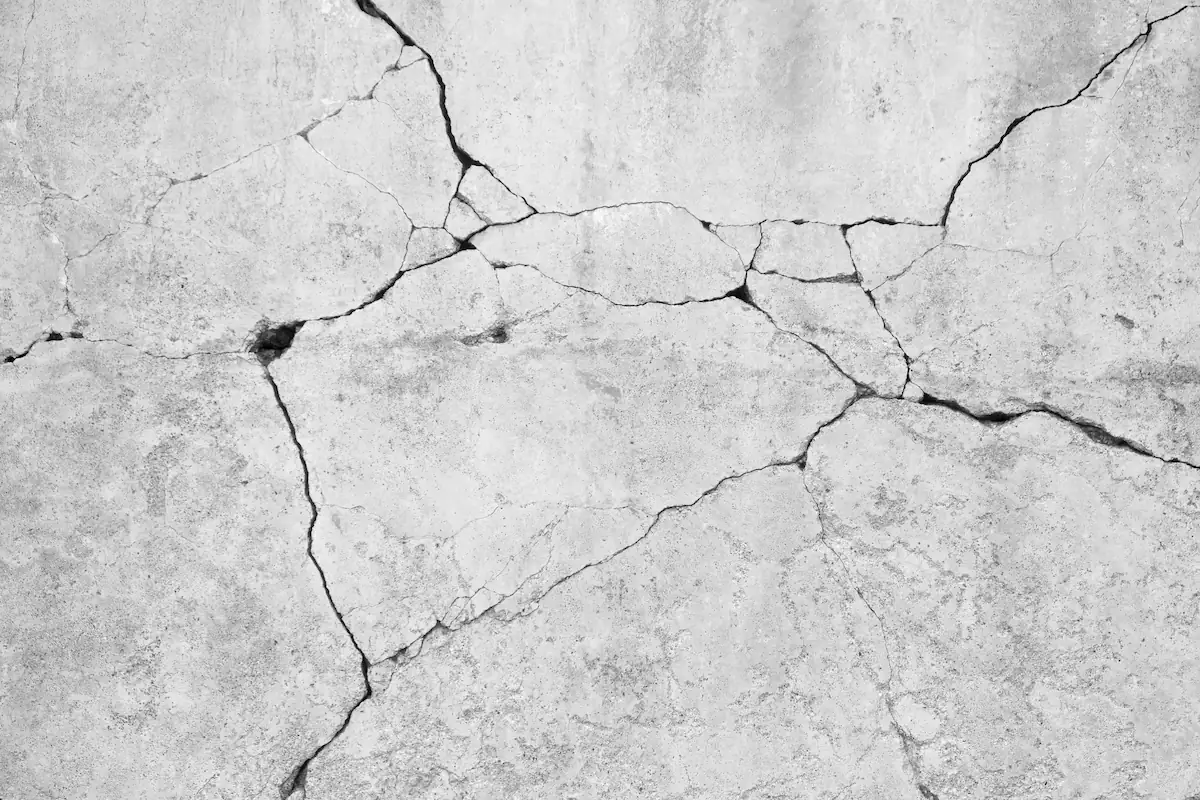
- Crack initiation and growth: investigate where and how fatigue damage develops.
Fatigue testing applications in different industries:
At Deon Research Centre, we apply fatigue tests in various sectors:
- Aerospace: testing wing and fuselage structures that must withstand millions of cycles.
- Automotive: evaluating suspension systems, chassis and powertrains.
- Mechanical engineering: analysing gears, bearings and axles for sustainability.
- Railways: assessing rails and wheelsets for fatigue behavior.
- Renewable energy: testing components such as wind turbine blades and solar structures that undergo varying loads over a long period of time.
What does this mean for your company?
By investing in fatigue tests, you can:
- Increase product reliability and minimize unexpected failures.
- Comply with strict international standards, which is important for market entry and certification.
- Stimulate innovation by gaining early insight into the performance of new designs and materials.

We offer comprehensive fatigue tests at Deon Research Centre!
Curious about how our fatigue tests can improve your materials, parts and structures? Our expert team provides reliable analyses that ensure products that meet the highest quality and safety standards. Contact us for more information and find out how we support your organization with in-depth fatigue studies.
Contact us directly +31 (0) 6 51 06 02 62