
Testing materials in the railway industry
Railway components must withstand heavy loads and extreme environments such as vibrations and corrosive elements. Our tests help ensure the integrity and reliability of these materials.
Scroll


Question or need help?
Ask a specialist
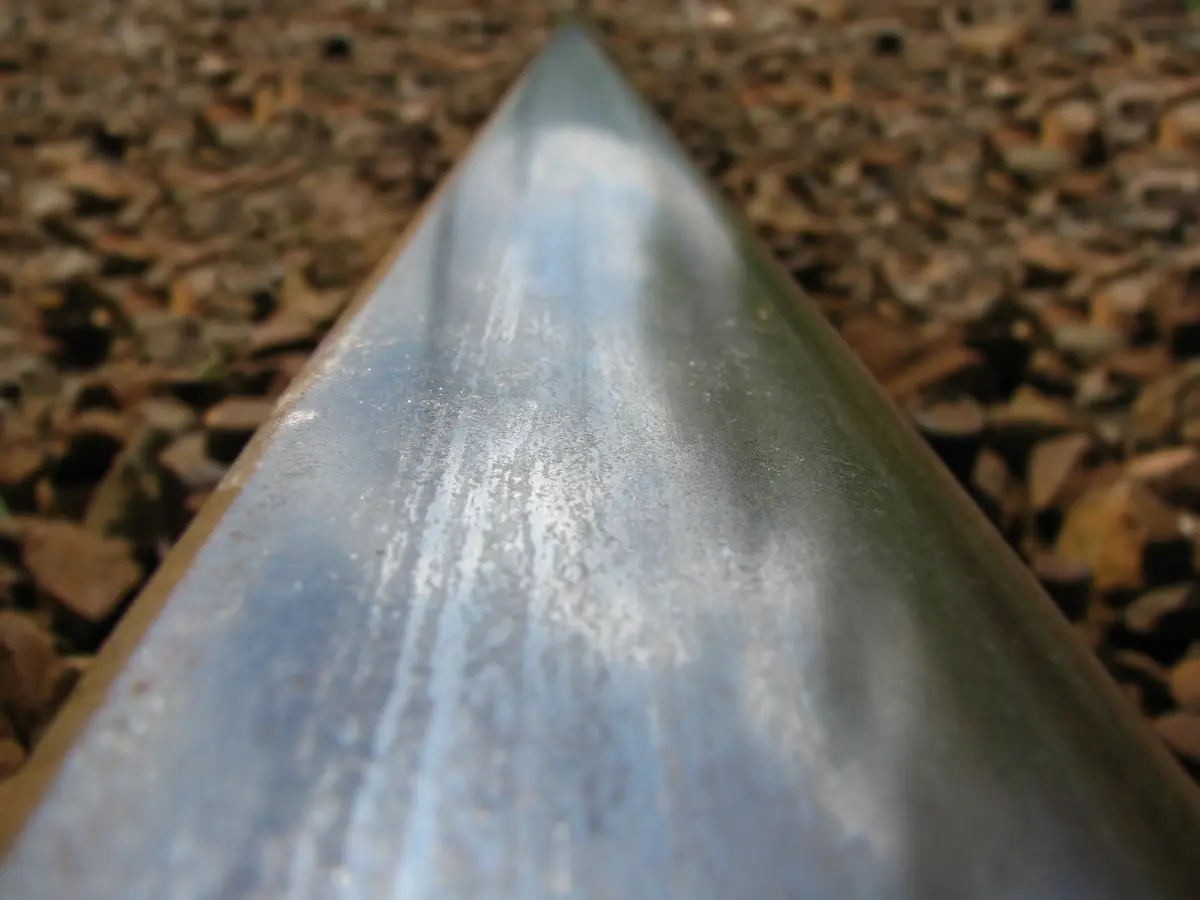
Our test services for the railway industry
- Mechanical strength tests: our tensile and bending tests evaluate the strength of materials used in tracks and wagons. We measure tensile strength and deformation to ensure they can withstand the heavy loads of trains.
- Corrosion resistance tests: given the ongoing exposure to weather elements and corrosive substances, we test metals for their corrosion resistance. We use a variety of simulations to ensure the longevity of metals and coatings in the railway sector.
- Vibration tests: testing the response of materials to vibrations and shocks is essential in the railway industry. Our tests simulate the conditions under which a train runs so that we can understand and ensure the impact on existing railway components.
- Material structure analyses: using advanced techniques such as SEM-EDX, we investigate material structure and composition to identify defects that may affect performance.
Why testing is important in the railway industry
Testing materials in the railway industry is essential for:
- Safety: it ensures the safety of passengers and goods by ensuring that materials do not fail under pressure.
- Reliability: with the right tests, we improve the reliability of railway systems and reduce the risk of failures.
- Lifespan: durable materials reduce maintenance costs and increase operational efficiency.

Get in touch with us!
At Deon Research Centre, we are happy to help you test reliable materials in the railway industry. Our expert team is here to support you so that your railway systems are safe and efficient. Contact us today to learn more about our testing services!
Contact us directly +31 (0) 6 51 06 02 62